The smart way to grow a Twitter/X audience in 2026
Ejaz Ahmed
10 Jul 2025 | 6 min read
It's getting harder to build up followers on Twitter/X these days, especially thinking about 2026.
The whole place feels way more crowded now, with everyone posting nonstop. Attention spans are not what they used to be, people scroll so fast.
And that idea of going viral overnight, yeah, it's pretty much a thing of the past.

Step 1: know exactly who you’re talking to
Before you tweet something more, you should probably pause a bit. Like, just take a second to think.
Who is this even for, anyway. Figuring out your audience seems like the main part to start with. It feels important, you know. Otherwise, it might not land right.
Targeting everyone on Twitter/X means reaching no one. Content for startup founders won't resonate with meme-scrollers and SEO advice isn't what your old friends followed you for.
Here’s a simple way to fix that:
Write one clear audience statement for yourself:
Freelance designers: better clients. Small business owners: grow social media without an agency. Marketers: organic reach community 2026.
Sometimes when trying to decide what to put on Twitter/X or even if it's worth it, think back to this simple idea. It kind of pulls me out of that spot.
The idea is just that a tweet has to make sense for the folks following me, you know. If it does not really connect with them.
Using this small filter thing makes everything else in the growth process so much simpler. Like, ten times easier or something. It feels that way anyway, even when not totally sure how it all connects yet.
Step 2: Stop chasing virality, start building conversations
Forget quick viral fame for lasting Twitter growth in 2026. Random viral tweets do not really help much with building a long-term audience.
What seems to work better is just starting small conversations that keep going over time, you know, consistently.
Like, to grow your Twitter/X audience, one thing is to engage with others in your niche. Reply to their stuff with comments that are useful or maybe funny sometimes.
The whole point is not about going viral anyway. It's more to make your handle seem familiar, part of the everyday Twitter talks in your niche. Some might think going viral is the way, but it does not last.
This part gets a bit messy, but yeah, consistent stuff builds it up slowly.
Step 3: Post content that actually matches search and algorithm trends
If you want your tweets to pop up in searches come 2026, there's a few things that matter a lot. Like, the searchability stuff and whatever signals the algorithm catches.
Using the right words helps, you know and timing when you post them right too. It seems like those basics cover it.
I think starting with keywords makes sense because people are looking for specific stuff. For example, if your audience wants advice on growing on X/Twitter or tools for AI content, you should weave those phrases in naturally, not force them. That way it feels real.
Hashtags come into play too, but you do not want to overdo it with a bunch at once. Just one or two that fit the topic can get your tweet into those feeds where people follow certain discussions.
Better to go for something more specific, say #SEOTips or #IndieHackers or even #ContentStrategy. If you are stuck on what to use, there is this thing called TweetStormAIs Hashtag Generator that suggests ones that match your idea and keep things engaging.
Timing is another part that still counts a lot. Posting when your followers are actually around, like early mornings or around lunch in their time zone, helps a ton for most topics.

Step 4: Clean your Twitter/X timeline, first impressions matter
When people find your profile, they'll quickly decide to follow or not based on your timeline.
Here’s what kills that follow decision fast:
- A timeline full of random retweets
- Off-topic replies from years ago
- Old jokes that don’t land anymore
- Outdated promotions or dead links
If your timeline looks messy or irrelevant, even your new tweets won’t convert visitors into followers.
Quick fix checklist:
- Unpin tweets that no longer represent your brand or tone
- Delete anything off-brand or outdated
- Make sure your bio actually tells people who you are and why they should follow
For a complete guide, see our Twitter Account Audit Guide. Even a quick 10-minute sweep improves follower conversion.
Step 5: Build a simple posting routine
To grow on Twitter, prioritize consistent, simple routines over complex content calendars.
Here’s a no-stress starter routine that works for most people:
- 1 original tweet per day:
Share a tip, an insight, a mini-story or something that sparks conversation in your niche. - 2 meaningful replies per day:
Jump into relevant threads. Add value. Start small conversations with people you actually want in your audience. - 1 retweet or quote tweet per day:
Amplify someone else’s post, especially if it aligns with your niche and audience interests.
Step 6: Track what’s working
Follower count is less important than engagement and audience care.
Here’s what to keep an eye on (without falling into an analytics rabbit hole):
Engagement rate:
Are people liking, replying or sharing your tweets? Even 3-5 meaningful replies on a small account is a great sign.
Profile clicks:
If someone clicks through to your profile after seeing a tweet, it means your post caught their attention.
Link clicks (if you share content):
If you’re promoting blog posts, products or newsletters, track how many people actually click through.
Tweet types that work:
Pay attention to patterns: Are your short one-liners getting more engagement? Are your threads pulling more profile visits?
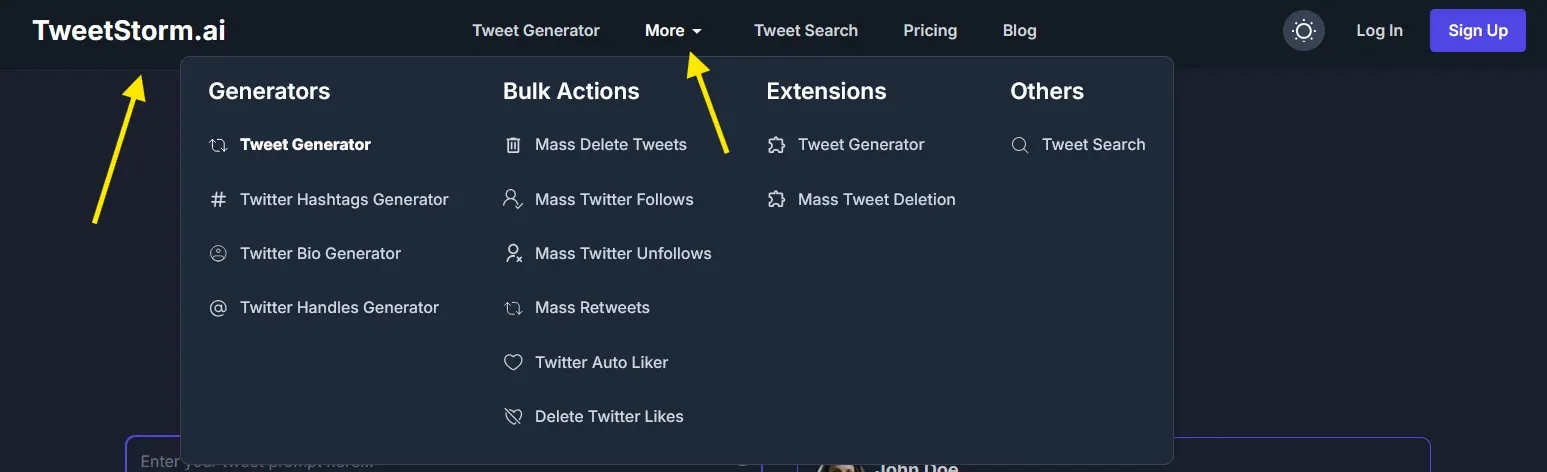
TweetStormAI's Advanced Tweet Search offers a unified dashboard to monitor campaigns and keyword engagement. Filter tweets by keywords, dates or engagement levels.
Solo creators usually need only weekly Twitter analytics to identify effective content and replicate it, avoiding data overload.
Step 7: Collaborate and join conversations in your niche
If you want to build up your Twitter followers fast in 2026, it's probably better to talk with people in the same area as you. You know, instead of just posting stuff by yourself all the time. That isolation thing does not help much.
Here’s how to do it naturally:
Reply to big accounts in your niche:
When someone with a larger following posts something relevant, add a thoughtful or funny reply that adds value. People browsing their replies will see yours too.
Shout out other creators or brands:
Tag someone when you share their article, tool or insight. Not with fake flattery but with genuine appreciation.
Join ongoing conversations:
If there’s a weekly hashtag chat or trending topic in your field, jump in. Just stay on-topic and avoid sounding like you’re only there to promote yourself.
Retweet and quote tweet with context:
Engage with retweets, replies, threads and relevant discussions to increase visibility and audience in your niche.
Final thoughts
Wanna grow your Twitter audience in 2026? It's all about consistent engagement, knowing your audience and making real connections. Forget just chasing trends or viral tweets!
Consistent engagement, including tweeting valuable content, replying to others, profile optimization and tracking engagement, is sufficient for sustained growth.
For extra help with hashtags, tweet analysis or cleaning old posts, TweetStormAI offers seamless tools.
FAQs
1. How often should I tweet if I’m trying to grow?
You don't have to keep posting all the time, like flooding the feed or anything. Starting with just one decent tweet a day makes sense.
2. Does follower count matter more than engagement?
It's like having a bunch of people who actually care about what you post beats having tons of followers who never even look at it.
3. Should I join trending hashtag conversations?
You can chase those trending topics for a quick boost in views. But it does not stick, you know, because the people who show up are not the ones interested in your stuff long term.
4. Should I automate my Twitter posts?
Scheduling tweets helps keep things regular without going all in on automation. You do not want it to feel too robotic. Accounts that come across as real, like from a person, get more followers.
5. Is it bad to delete old tweets while growing?
Actually, getting rid of those old tweets that don't fit anymore might make things better. It seems like new people following you just look at what you post now anyway.
6. How do I know which hashtags to use?
It's hard to come up with good ones though. Like if you're stuck, maybe try something like TweetStormAIs Hashtag Generator, it gives you suggestions that seem pretty targeted.
7. Is there such a thing as tweeting too much?
Posting a bunch on Twitter can be okay or not, depending on what you're doing. Like, if the tweets are just lazy or they don't fit with anything, then sure, it seems like too much.
Newsletter
Never miss a post
One email a week with everything new on the TweetStorm blog.